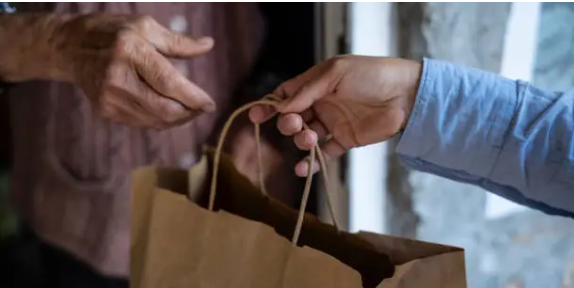
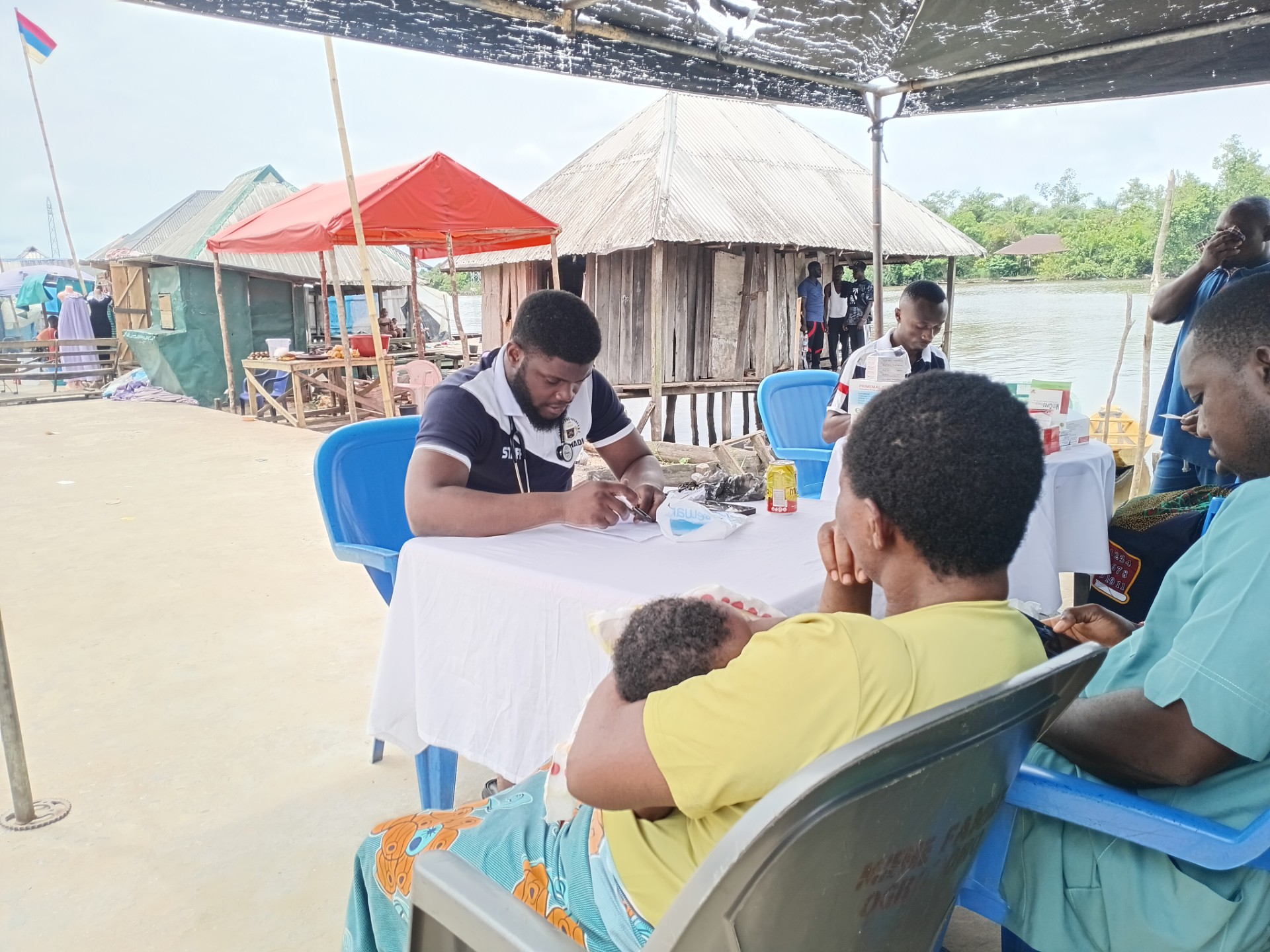
The leg was the problem and no proper bed to sleep in. Story of an elderly woman who was sick at the same time and who lacked a bed to lay her head. What she improvised for a bed was too low and made it more difficult if she needed to get up. We brought her communion at home here in Bomadi. Also, she needed someone to listen to her while she shared her challenges. She could not easily get up from the bed because of her aching legs. Her request was that we get her some wooden plank, then, she could get blocks and raise the bed to the level she needed to get up. Having listened to her share her sacred story and how difficult life has been for her; it drew me to the truth of the everyday life experience of the majority of vulnerable people and communities with limited access to the basic necessities of life. What she needed was something to enable her to lie down and to get up easily on her own with less pain. In spite of her huge limitations, the strength in her voice depicted courage and determination to live.
As Rosaleen Crossan reflected in her book titled, “Friend of the Poor: Mary Aikenhead”: ‘Against all kinds of odds, her courage and determination established within the Church a mission which would become the foundation for hospitals, schools, welfare services and centres of spirituality’ ¹ . While the elderly woman’s basic need is a necessity in life, her story was familiar to many other faces seeking dignity in their lives. Some of the needs are simple and small; others are large and complex and relate to many people including children, the young, women, elderly, youth and men.
My conversation with the elderly lady made me stay with her longer than I had scheduled, but the need to pull-back, wait, listen and stay with her at that moment as she related her issues was urgent. I recognised that her fragility and her situation of inequality required paying attention to her. It was a situation requiring intervention; an intervention that would recognise her value and dignity, calling for more than just a visit. In-between the discussion she would intermittently apologise for keeping me as she knew I was going to other places. She was clear about the needs of others too while I focused on representing hers. So, I told her that she need not worry that I would remain with her till she finished expressing her needs. Only then could I move to the next place I needed to be. It was a moment of joy for her. That moment she began to laugh and we both laughed together. On deeper reflection, it was obvious she needed a decent bed to sleep in. ‘For in spite of massive advancements in social services, together with unprecedented growth in towns and cities across the world, there are those who are left behind and on the margins; those who are made to feel worthless and totally helpless to better their lives’.² The expertise of a carpenter was sought and he was given the description of the makeshift bed the elderly woman wanted, based on her initial request for material assistance of wooden planks and blocks to raise the height of the bed should she want to get up. But now she received a complete wooden bed along with mattress, bedsheet, and pillow to make her comfortable. She was full of joy upon seeing the bed and made use of it after we had set the bed and dressed it for her. The prayers she showered on us and her sense of appreciation was such a moment of joy. For me it was a representation that dignity truly cannot be priced. ‘For a like faith and enduring sense of hope, young- and not so young- women of today can take courage to go forward in the service of the risen Christ under the Patronage of the Virgin Mary, inspired by the motto Mary Aikenhead gave her congregation: Caritas Christi Urget Nos.
Dignity reflects a pure joy. This act of charity to this elderly woman came alive in Mary Aikenhead’s vision to give to the poor what the rich can buy for money. Her joy was profound and ecstatic for the gift she received. Notably, it depicts a renewed purpose in life for her, including those around her who shared in her joy as they said, “Sister, Una do well ooo”, (Pigin English), while waving their hands joyfully. The elderly woman received the material support provided for her on the 9th of December, 2025. This was the same day as Mary Aikenhead’s Final Vows in 1816.
¹ P.107
² Crossan R. Friend of the Poor: Mary Aikenhead, Woman of Vision, Commitment and Inspiration. P.108
Gloria Ozuluoke RSC.