As we mark the World Day Against Trafficking in Persons, we are reminded that human trafficking continues to rob millions of people of their dignity, freedom and hope. This year’s theme, “Trafficking in Persons: Trapped Behind the Scam,” calls us to deepen our awareness of the deceptive methods used by traffickers and renew our commitment to preventing exploitation, protecting those who are most vulnerable, and accompanying survivors with compassion.
In the days leading up to the World Day Against Trafficking in Persons, many initiatives across the world highlighted the ongoing commitment of the Church to combat human trafficking and to accompany people affected by migration and displacement. One such initiative was a gathering hosted by Talitha Kum Zambia at Kasisi Retreat Centre, Lusaka, Zambia, from 13–17 July 2026. Organised by the International Union of Superiors General (UISG) in collaboration with the International Migrants and Refugee Network, the gathering brought together women religious from 16 countries who are committed to accompanying people on the move and strengthening the Church’s response to migration.
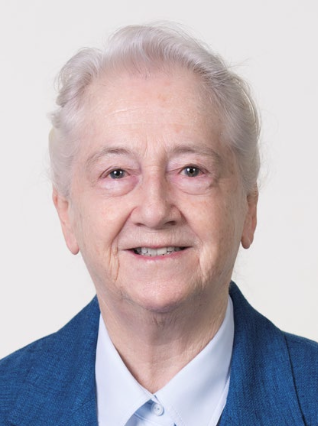
Representing the Religious Sisters of Charity were Sr Kayula Lesa, Regional Coordinator for Africa; Sr Patience Shinondo, Director of Talitha Kum Zambia; and Sr Augustina Offor, Congregational Anti-Human Trafficking Contact Person for the Nigerian Region. Their participation strengthened the links between the Zambia/Malawi and Nigerian Regions as they continue to respond together to the realities of migration and human trafficking, recognising the close relationship between the two.
A significant milestone of the gathering was the launch of the UISG African Migration and Refugee Network, a continental initiative that will connect women religious engaged in migration ministry throughout Africa. Eighteen sisters representing sixteen countries came together to begin this shared journey of collaboration, advocacy and solidarity.
Throughout the week, participants reflected on the diverse realities of migration across the continent. Rich conversations highlighted both the common challenges and the unique circumstances experienced in different countries. These exchanges reinforced the importance of working together across borders to respond more effectively to the needs of migrants, refugees, asylum seekers and internally displaced persons.
The newly established network aims to foster national platforms where sisters can share experiences, strengthen collaboration, coordinate advocacy, and build partnerships with humanitarian and faith-based organisations. By working together rather than in isolation, the network seeks to strengthen the Church’s voice at national, regional and continental levels, ensuring that the experiences and rights of displaced people are represented in policy discussions and public advocacy. It will also provide opportunities to share best practices, deepen learning and strengthen resilience among those engaged in this ministry.
Human trafficking emerged as one of the most urgent concerns discussed during the meeting. Participants recognised that trafficking cannot be addressed in isolation from the wider realities of migration, poverty, conflict and displacement. Effective responses require collaboration, prevention, advocacy and accompaniment, rooted in respect for the dignity of every person.
The Zambia/Malawi and Nigerian Regions have committed themselves to this new continental network and will continue to work alongside existing migration partners to identify gaps in services, respond to the evolving needs of displaced people and contribute to the development of this important initiative. The launch of the network marks not simply the beginning of a new structure but the beginning of a shared commitment to walk together in solidarity with those who are most vulnerable.
On this World Day Against Trafficking in Persons, we join with the global Church and all people of goodwill in reaffirming our commitment to safeguarding human dignity and working tirelessly to end the exploitation of vulnerable people. May we continue to raise awareness, challenge injustice, accompany those who have been trafficked, and build communities where every person can live in freedom, safety and hope.